Preventative Botox at 35
My Honest Take After Years of Consultations in Paramus
There is no magic birthday when everyone should start Botox. At 35, the better question is whether your expression lines bother you and whether treatment fits your goals.
What Does Preventative Botox Actually Do?
Botox is a prescription medication made from botulinum toxin type A. When injected into selected facial muscles, it temporarily reduces their activity. That can soften lines created by repeated expressions, especially frown lines between the eyebrows, forehead lines, and crow's feet.
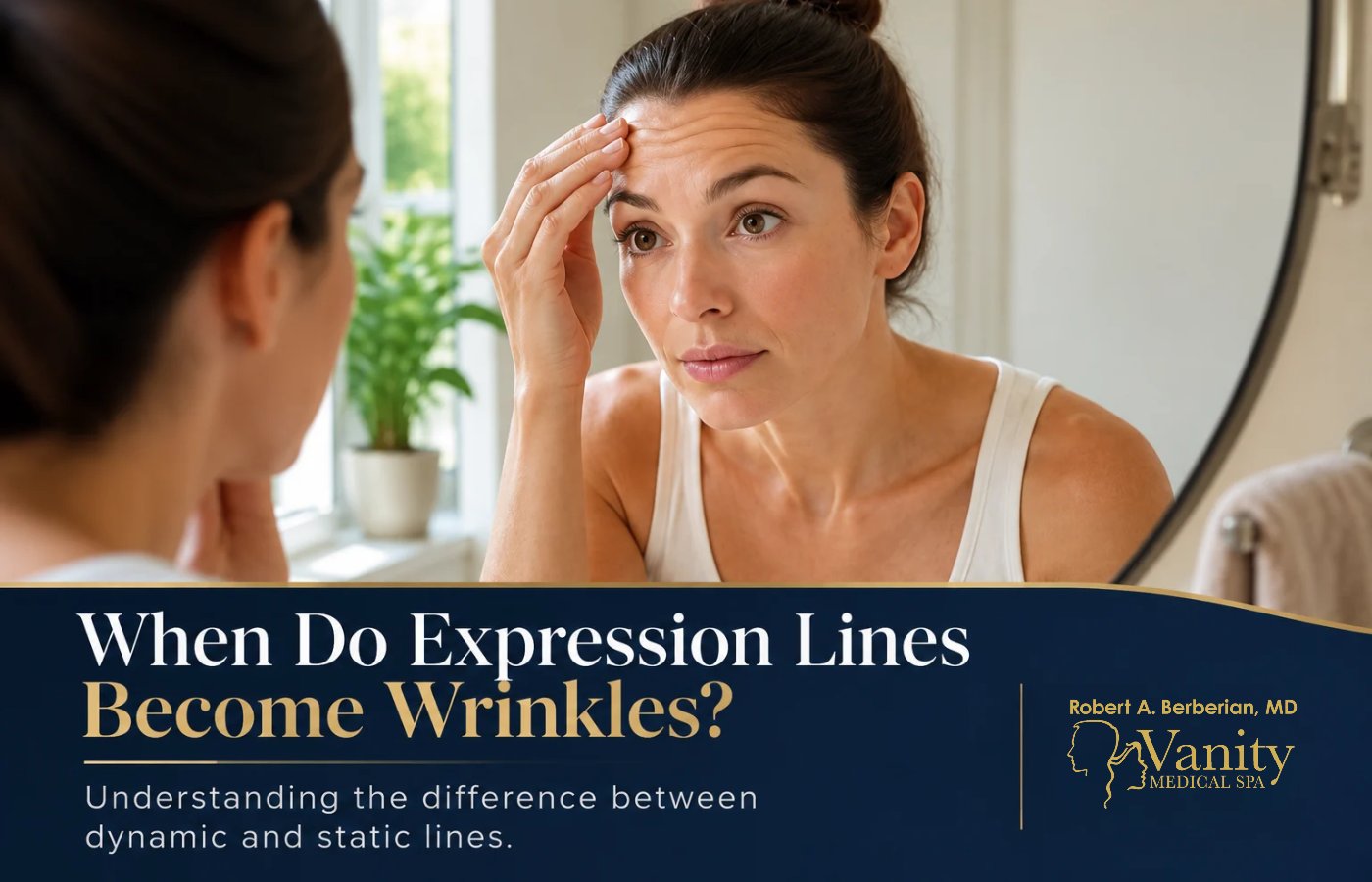
I explain the difference between two types of wrinkles during consultations:
Dynamic lines
These appear when you raise your eyebrows, frown, or smile, then fade when your face relaxes.
Static lines
These remain visible even when your face is at rest. Botox may soften some of them, but it cannot reliably erase deeper lines on its own.
Does Preventative Botox Really Prevent Wrinkles?
We know Botox works for temporarily improving certain expression lines. That is well established. What is less certain is how much starting in your 20s or 30s changes the way your face will look decades later.
Reducing repeated muscle movement may help limit the creasing that contributes to some lines over time. But I would not promise any patient that early Botox will permanently prevent wrinkles. Sun exposure, genetics, skin quality, and normal aging all play a role.
Is 35 a Good Age to Start Botox?
It can be, but age alone does not tell me whether you need treatment. I have seen people in their 30s with very little visible creasing and others whose frown lines are already noticeable when their face is relaxed. Those patients need different conversations.
During a consultation, I look at how your forehead, eyebrows, and muscles around the eyes move. I ask what bothers you, how subtle you want the result to be, and whether you are comfortable with occasional maintenance. I also review your medical history and whether treatment is appropriate for you.
Sometimes the best recommendation is to do nothing yet. Daily broad-spectrum sunscreen and a sensible skin-care routine can be more useful than starting injections before you have a concern you actually want to address.
Who Actually Gets Good Results, and Who Does Not
The patients who benefit most from preventative treatment at 35 tend to share a few things in common. Their lines are still mostly dynamic. They have realistic goals. And they are genuinely prepared for what this actually requires, which is a maintenance commitment, not a one-time purchase.
You are likely a reasonable candidate if most of the following apply to you.
- Forehead lines that appear when you raise your brows but fade when you relax
- Frown lines between the brows that show when you concentrate
- Crow's feet that appear with a smile but are not etched in at rest
- You want to slow how quickly expression lines deepen, not erase your face
- You can realistically commit to follow-up appointments two to four times per year
- You are not chasing the frozen look
Will I Still Look Like Myself?
That is one of the most important questions I hear. My goal is not to remove every bit of movement from your face. I want to understand which expressions create the lines that bother you and plan treatment accordingly.
The amount of Botox, placement, and your individual anatomy all matter. Too much treatment can make expressions look stiff or affect eyebrow position. Even a conservative treatment carries risks, including bruising, headache, asymmetry, or temporary eyelid or brow drooping. Rare but serious adverse effects are possible, so proper assessment and technique matter.
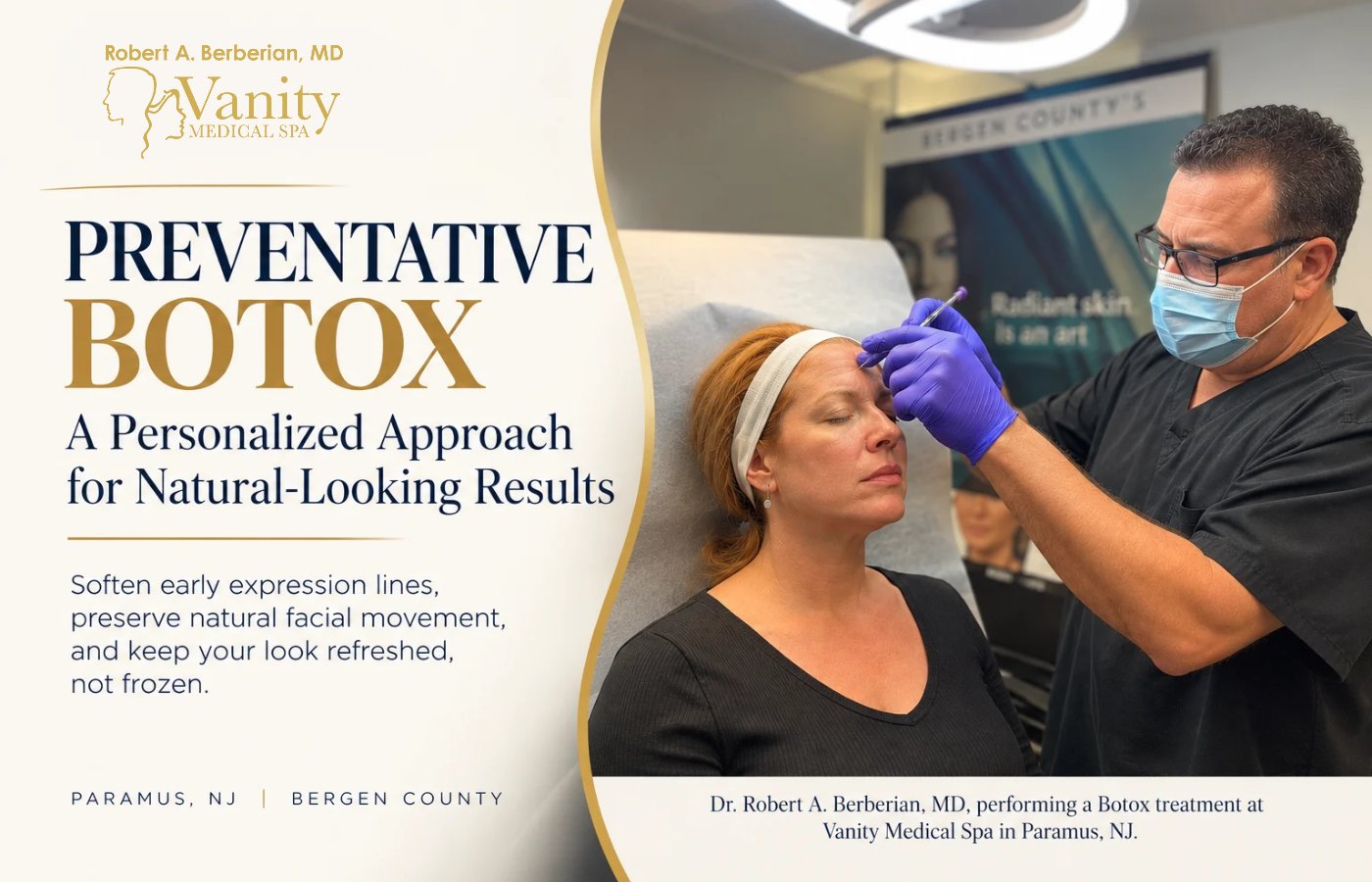
For me, a successful result is one that looks natural to the patient. The plan should fit your face, not a standard number of units.
How Long Does Botox Last, and What If You Stop?
Most people notice results within several days, with the full effect developing over roughly two weeks. Results commonly last about three to four months, although the duration varies.
If you decide not to continue, muscle movement gradually returns and expression lines may become visible again. Your face does not suddenly age faster because you stopped Botox. I encourage patients to think of treatment as an option, not an obligation.
It is also worth considering the ongoing cost. A consultation should include a discussion of the expected dose, pricing, follow-up, and how often treatment might be needed. There is no reason to commit to a long-term schedule before you know whether you like the result.
What to Expect, From Your First Appointment Through the First Year
The Consultation
Your clinician reviews your medical history, facial movement, treatment goals, and whether Botox is appropriate. You can discuss expected benefits, risks, cost, and alternatives.
Treatment Day
Treatment involves small injections into selected muscles. Appointment length, comfort measures, and aftercare instructions depend on your individual plan.
Days 1 to 14
Changes may begin appearing within several days, with the full result commonly developing over roughly two weeks. Contact the practice if you have concerns about your response.
Months 3 to 4
Effects often diminish around three to four months as muscle activity returns. Further treatment is optional and should be guided by your goals.
When I Recommend Waiting
Not everyone who asks about preventative Botox needs it. If your lines are barely noticeable and do not bother you, waiting is reasonable. I would also rather discuss expectations before treating someone who wants a completely motionless forehead or believes Botox will solve every sign of skin aging.
Botox is not a substitute for sun protection. It also does not treat every cause of skin texture changes, pigmentation, or volume loss. The right plan may include skin care, another treatment, or simply giving yourself more time to decide.
About Your Consultation at Vanity Medical Spa
- Individual assessment. Discuss your expressions, skin concerns, and whether Botox is appropriate.
- Natural-looking goals. Ask about a plan that balances softening lines with preserving expression.
- Realistic expectations. Review possible side effects, expected duration, and alternatives before deciding.
- Paramus, New Jersey. Consult with the practice about treatment options and follow-up.
Considering Preventative Botox in Paramus or Bergen County?
At Vanity Medical Spa in Paramus, I see patients from Ridgewood, Fair Lawn, Hackensack, Saddle River, and communities throughout Bergen County. Many come in with the same question: am I starting too early, or should I have started already?
My advice is to stop worrying about the number on your birthday cake. Let me assess your facial movement and listen to what you want. If Botox makes sense, we can discuss a measured approach. If it does not, I will explain why.
You can also learn more about Botox treatment at Vanity Medical Spa in Paramus.
Serving Bergen County and the Surrounding NJ Communities
Vanity Medical Spa is based in Paramus, New Jersey. Patients considering Botox in Bergen County can schedule a consultation to discuss their facial movement, concerns, and treatment options.
We See Patients From
Frequently Asked Questions About Preventative Botox
Not Sure Whether It's Time for Botox?
Schedule a consultation at Vanity Medical Spa in Paramus. We'll talk about what you're noticing, what treatment can realistically do, and whether it makes sense for you.
Book Your Consultation Call (201) 815-5950